Primary Years Programme
Primary Years Programme (PYP)
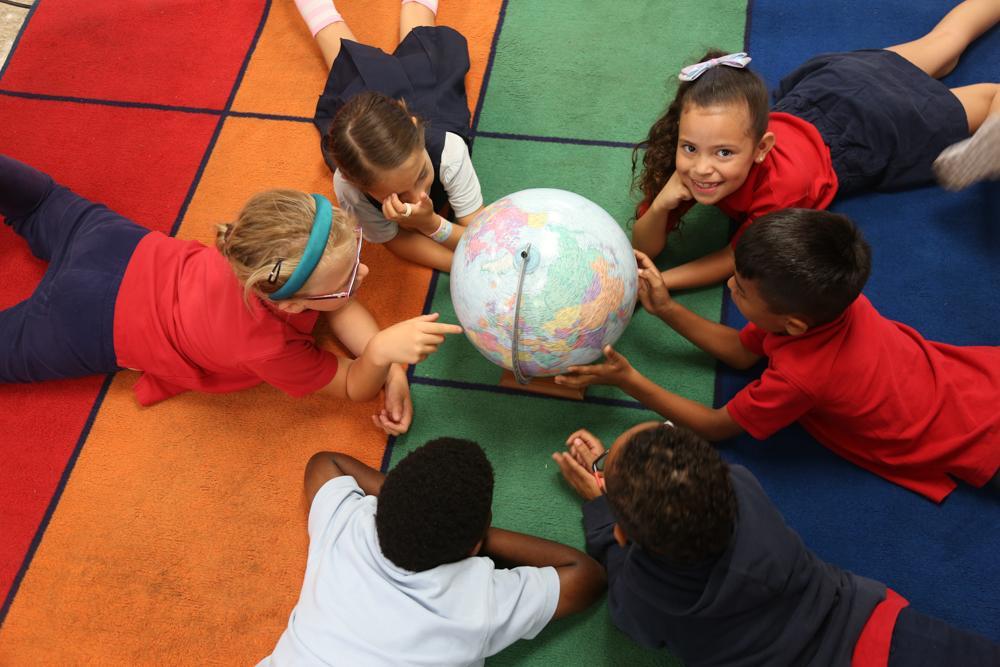
Goethe International Charter School (GICS) is authorized as an International Baccalaureate (IB) World School to implement the Primary Years Programme (PYP). The PYP Curriculum at GICS offers a rich, challenging and stimulating program, which aims to generate in its students an enthusiasm for learning, encouraging them to value learning as a life long process.
Core Features of the PYP at GICS
The IB Primary Years Programme at GICS is transdisciplinary—concepts are taught across 2 or more subject areas.
Our program:
- Is student-centered to best meet individual needs
- Encourages inquiry with teacher facilitation
- Promotes conceptual and critical thinking
- Is holistic—addresses a child’s physical, social, and emotional learning as well as academics
- Values relationships and collaboration
- Nurtures globally-minded citizens who take responsible action
Our Educational Philosophy
IB is not a packaged curriculum, but rather an educational philosophy and organizational framework that outlines the process and essential elements for teachers to create a well-rounded curriculum programme with their students and community in mind.
The written and taught curriculum uses the state Common Core Standards as a basis for facilitating inquiry and conceptual thinking. The curriculum is continuously reflected upon and revised each year.
IB is not a packaged curriculum, but rather an educational philosophy and organizational framework that outlines the process and essential elements for teachers to create a well-rounded curriculum programme with their students and community in mind.
The written and taught curriculum uses the state Common Core Standards as a basis for facilitating inquiry and conceptual thinking. The curriculum is continuously reflected upon and revised each year.
The Three Essential Pillars of the PYP
The IB Primary Years Programme is organized into three essential pillars:
1. The Learner
The PYP is focused on the learner in order to best meet each learner’s needs. Experiences are thoughtfully planned to build on learners’ prior knowledge and to help develop essential skills called approaches to learning.
The learner is at the heart of the programme which helps to maintain a rigorous, relevant curriculum that uses reflection and informed action in a constant cycle of planning, teaching, and assessment. The IB Learner Profile provides the character traits and attitudes that all learners can aspire to such as being open-minded, principled, reflective thinkers and communicators.
2. Learning and Teaching
IB outlines research-based best practices that teachers use in the planning and implementation of curriculum. Some of these strategies that best support learning may include:
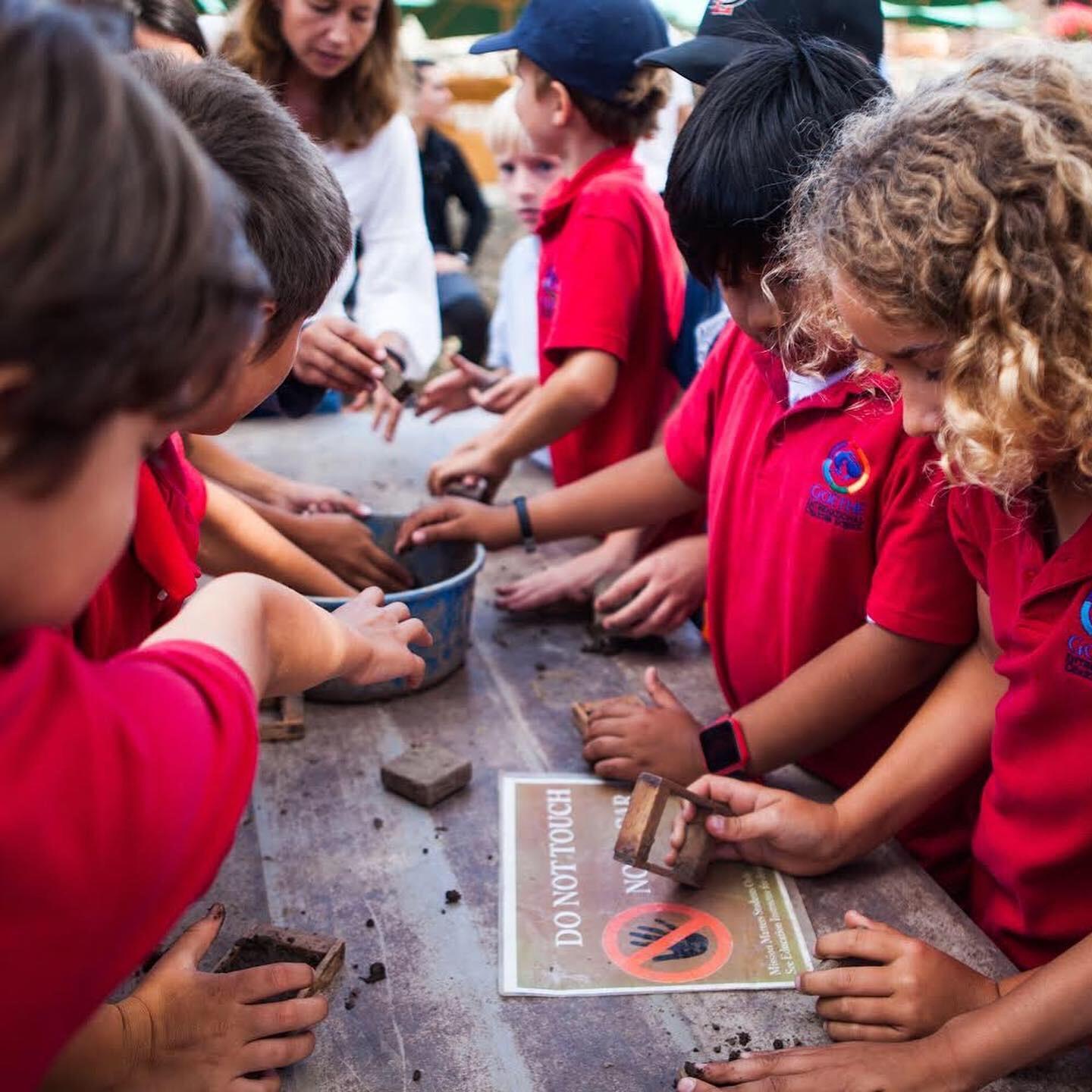
- Using hands-on experiences
- Employing a variety of media to explore content
- Working collaboratively
- Discussing and presenting ideas
Teachers collaborate on a transdisciplinary, developmentally appropriate curriculum, addressing six global themes across subjects. For instance, the Sharing the Planet unit spans from kindergarten, focusing on basic resources, to 5th grade, analyzing human impact on environmental limitations.
3. The Learning Community
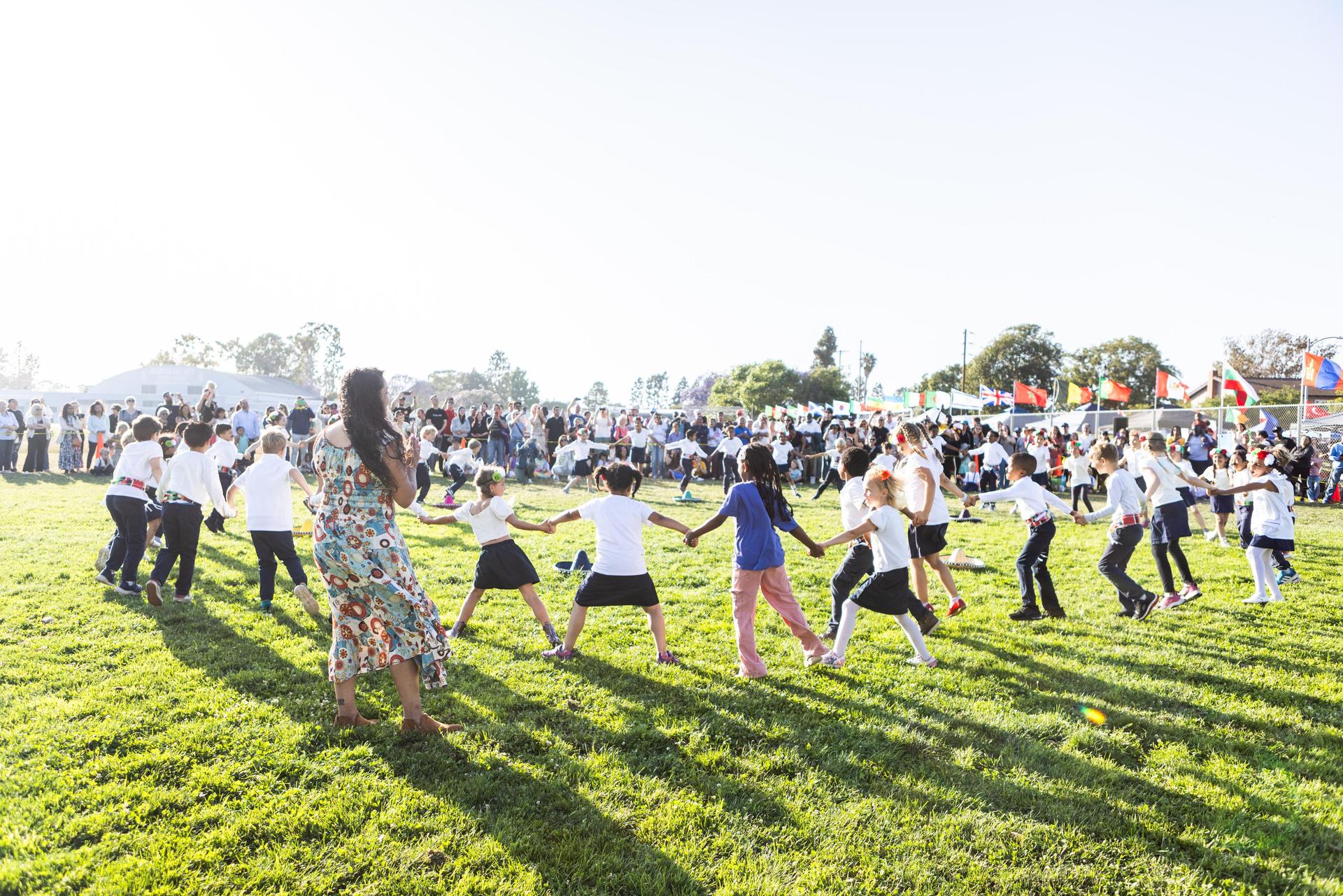
All the members of a school community including the student, teachers, families, and school leaders have important roles in the education of students. Each stakeholder in the learning community has responsibility and agency to influence learning in various capacities. The IB also encourages schools to think of the surrounding community as a local resource for learning experiences. The IB World community and ultimately the global community are also seen as valuable contexts for learning.
Above all, IB emphasizes that learning is social and collaborative, grounded in strong relationships. A learning community works together to ensure a respectful, positive school culture and a safe, nurturing environment for students to develop into independent, tolerant, caring lifelong learners who help to make a better, more peaceful world.